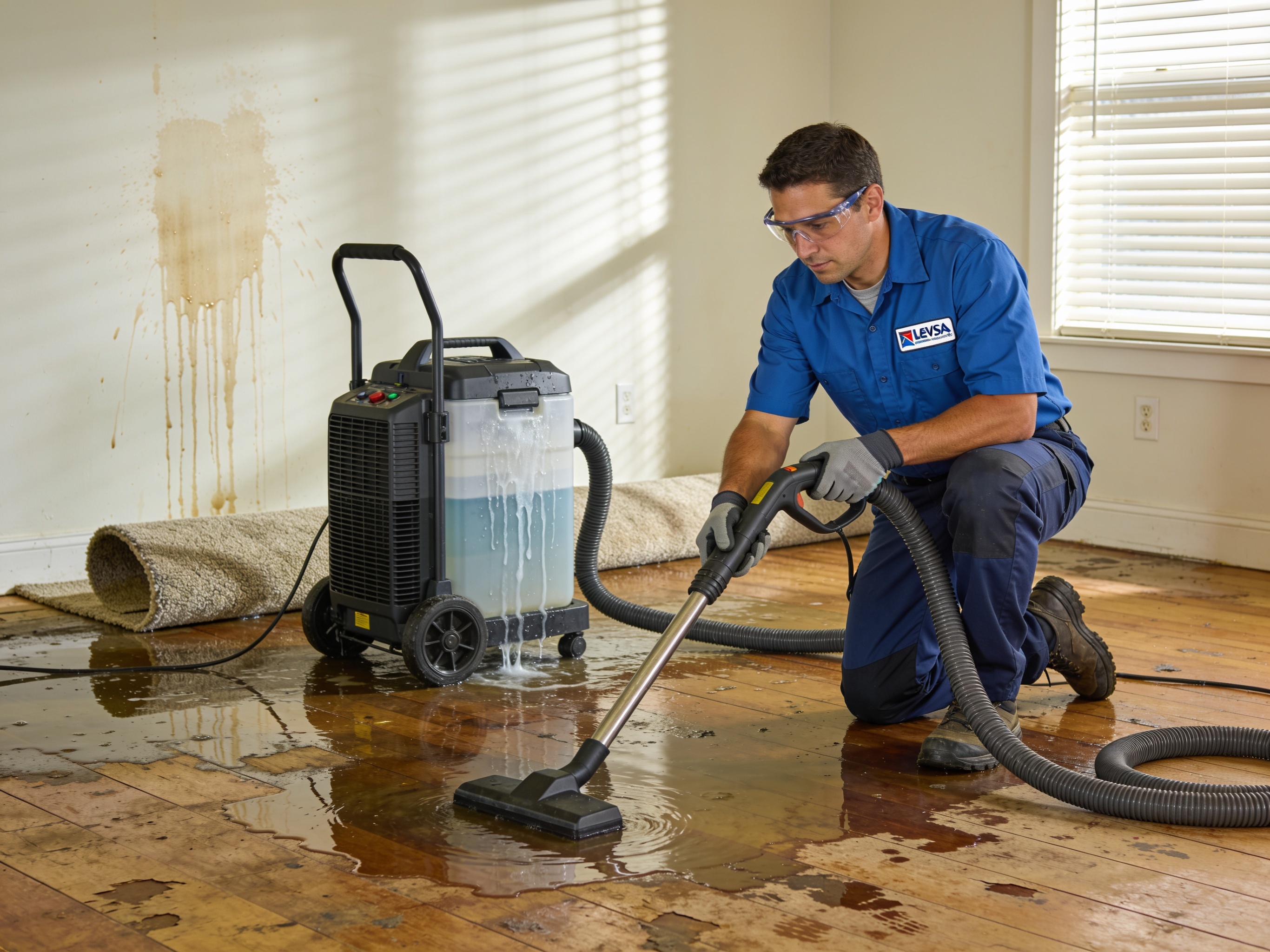
Jean sits along the I-15 corridor in southern Clark County, a stretch of highway where truck traffic and older roadside properties meet the open desert. Water damage here often starts from burst lines in small homes or mobile units that dot Las Vegas Boulevard South, or from runoff that pools on compacted lots after rare but intense rains. Crews from 2702 S Highland Dr reach these sites quickly during Mon–Fri 8am–6pm or Sat 9am–2pm, bringing equipment suited to the dry, dusty soil that can hide moisture under slabs.
The extreme summer heat accelerates mold risk once water enters a structure, while mild winters allow slower evaporation in shaded areas near the Jean Dry Lake. Restoration work focuses on pulling moisture from stucco walls and concrete foundations common in the area, then using targeted drying to avoid warping in older wood-framed buildings. Nearby access via the highway keeps response times short for properties between the state line and the correctional facilities.
Service calls in Jean also cover commercial spots tied to the airport and truck stops, where roof leaks or pipe failures can shut down operations fast. Technicians map water migration through caliche-heavy ground that resists absorption, then document every step so owners see exactly what was removed and dried.
Around 21. Jean
We regularly work near:
- 📍Jean Airport
- 📍Las Vegas Boulevard South
- 📍Southern Nevada Correctional Center
- 📍Jean Dry Lake
- 📍I-15 corridor
Water Damage Restoration in 21. Jean — Local Notes
- •Compacted desert lots around Jean trap water against foundations instead of letting it drain away, so extraction must reach under slabs before heat drives moisture upward into flooring.
- •Older mobile homes and small stucco houses along Las Vegas Boulevard South often have shallow plumbing runs that crack from temperature swings, requiring wall and floor drying focused on narrow crawl spaces.
- •Highway dust mixes with standing water near the I-15 corridor, creating silt that settles deep in carpet pads and requires extra passes with industrial vacuums before dehumidification begins.
- •Summer temperatures above 100 degrees shorten safe drying windows, so crews set up contained drying zones early to keep indoor humidity from spiking inside Jean properties.